Aelon
Aelon Subtotal: Rp0.00

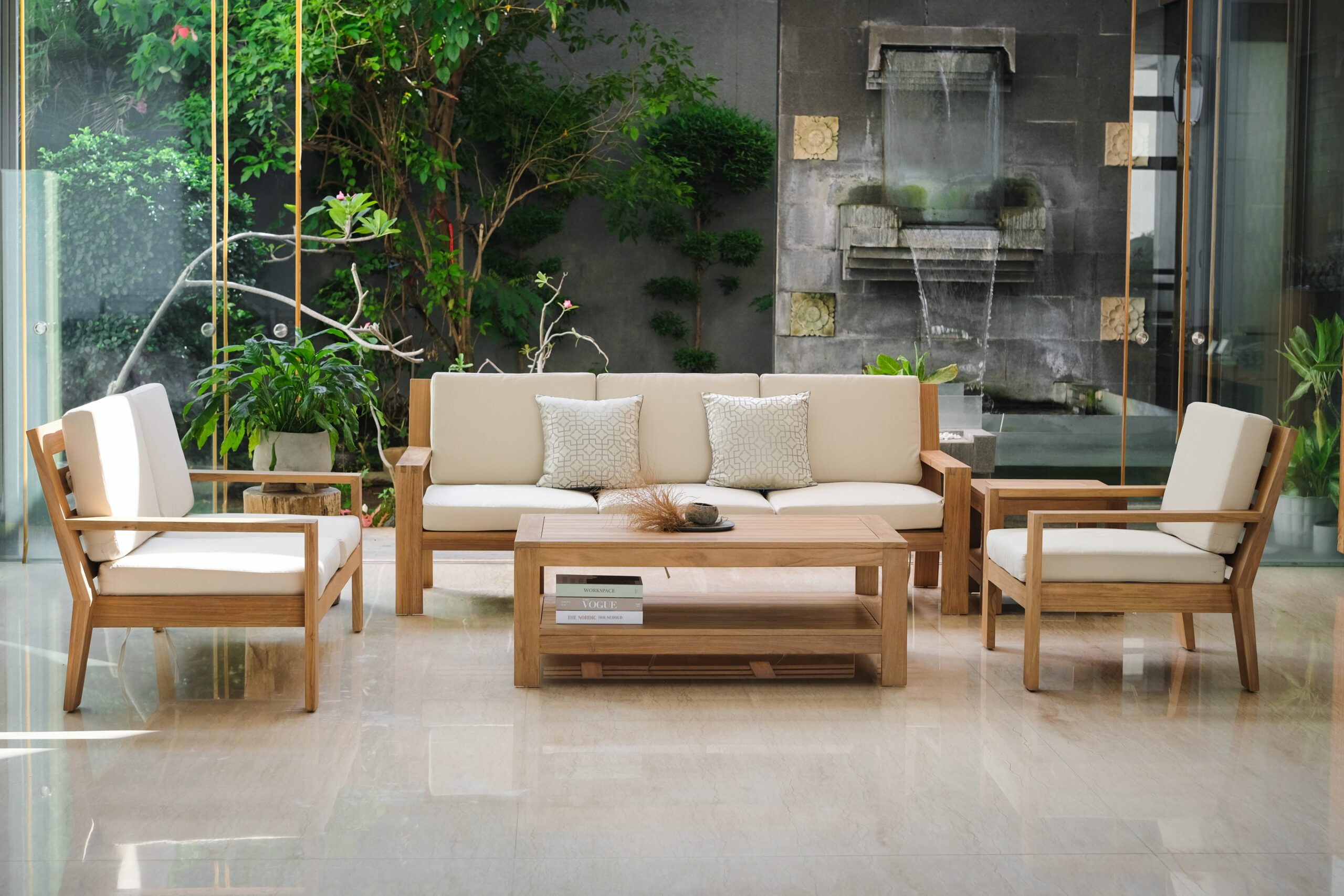
In an era of flat-pack convenience and disposable design trends, “fast furniture” has taken over modern living rooms. But after a few moves—or a couple of years of actual living—that particleboard coffee table usually ends up wobbly, chipped, and destined for a landfill.
If you want to curate a space that feels intentional, grounded, and financially smart, it is time to pivot back to the fundamentals: solid wood furniture.
1. The “Cost-Per-Use” Math Works in Your Favor
Yes, solid teak, oak, or mahogany comes with a higher initial price tag than synthetic alternatives. However, the math changes completely when you look at Cost-Per-Use (CPU) over time.
- Fast Furniture: A Rp 1.000.000 – Rp 2.000.000 dining table that sags or breaks and needs replacing every 3 to 4 years ends up costing Rp 6.000.000 to Rp 12.000.000+ over two decades (plus the hassle of repeated assembly and delivery).
- Solid Wood: A Rp 12.000.000 solid wood table purchased once will easily last 20 years or more with basic care.
Solid wood handles daily spills, heavy loads, and active households without losing structural integrity. Over a lifetime, it is actually the far cheaper option.
2. It Ages Like Fine Wine
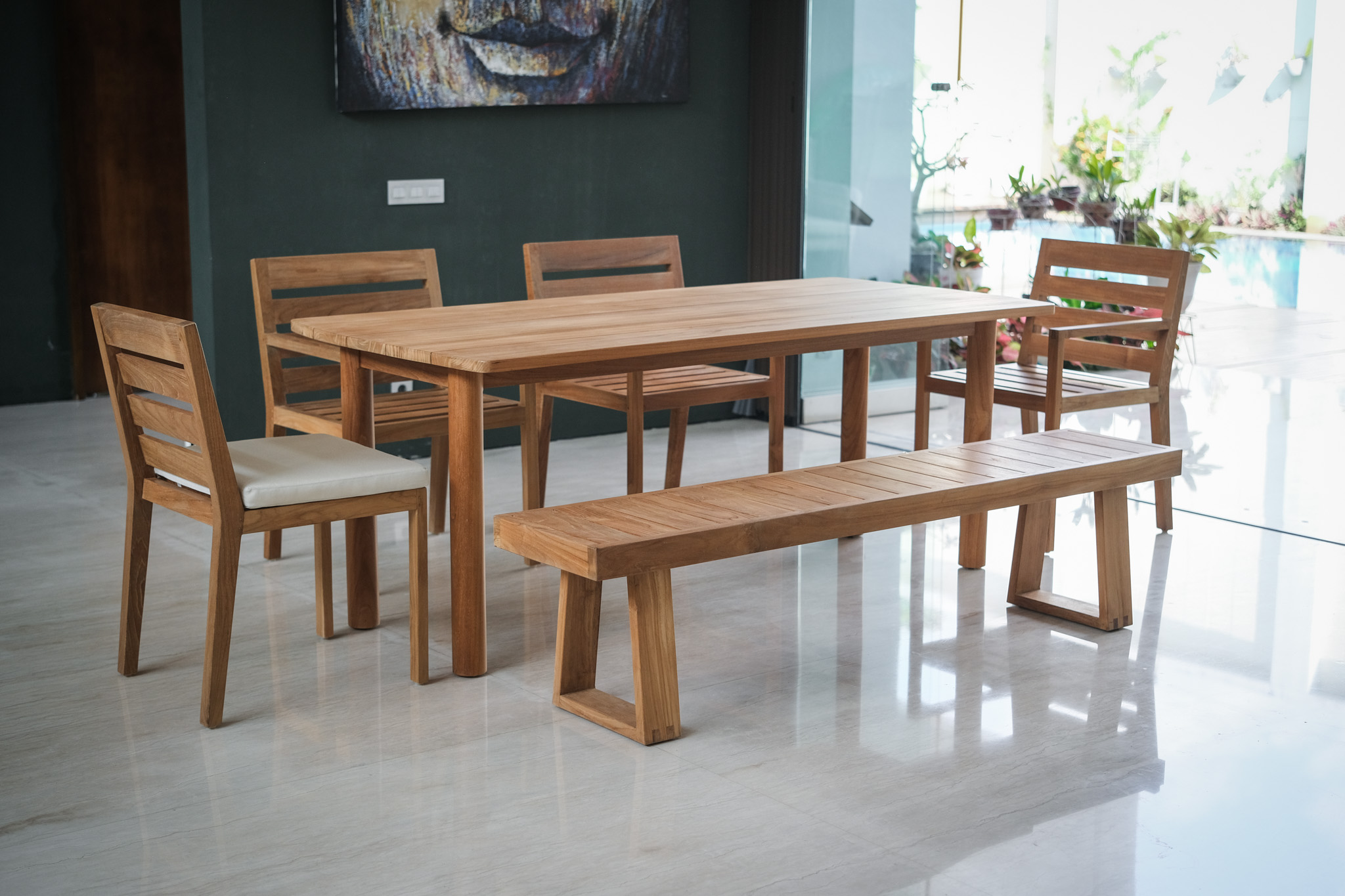
Unlike plastic laminates or thin wood veneers that peel and chip away under pressure, solid wood develops character as time passes. As natural timber absorbs light and lives through daily routines, it builds a rich natural depth and warm luster that synthetic materials simply cannot replicate. Minor dings and scuffs don’t ruin a solid wood piece; they tell its story.
3. Infinite Repairability & Real Resale Value
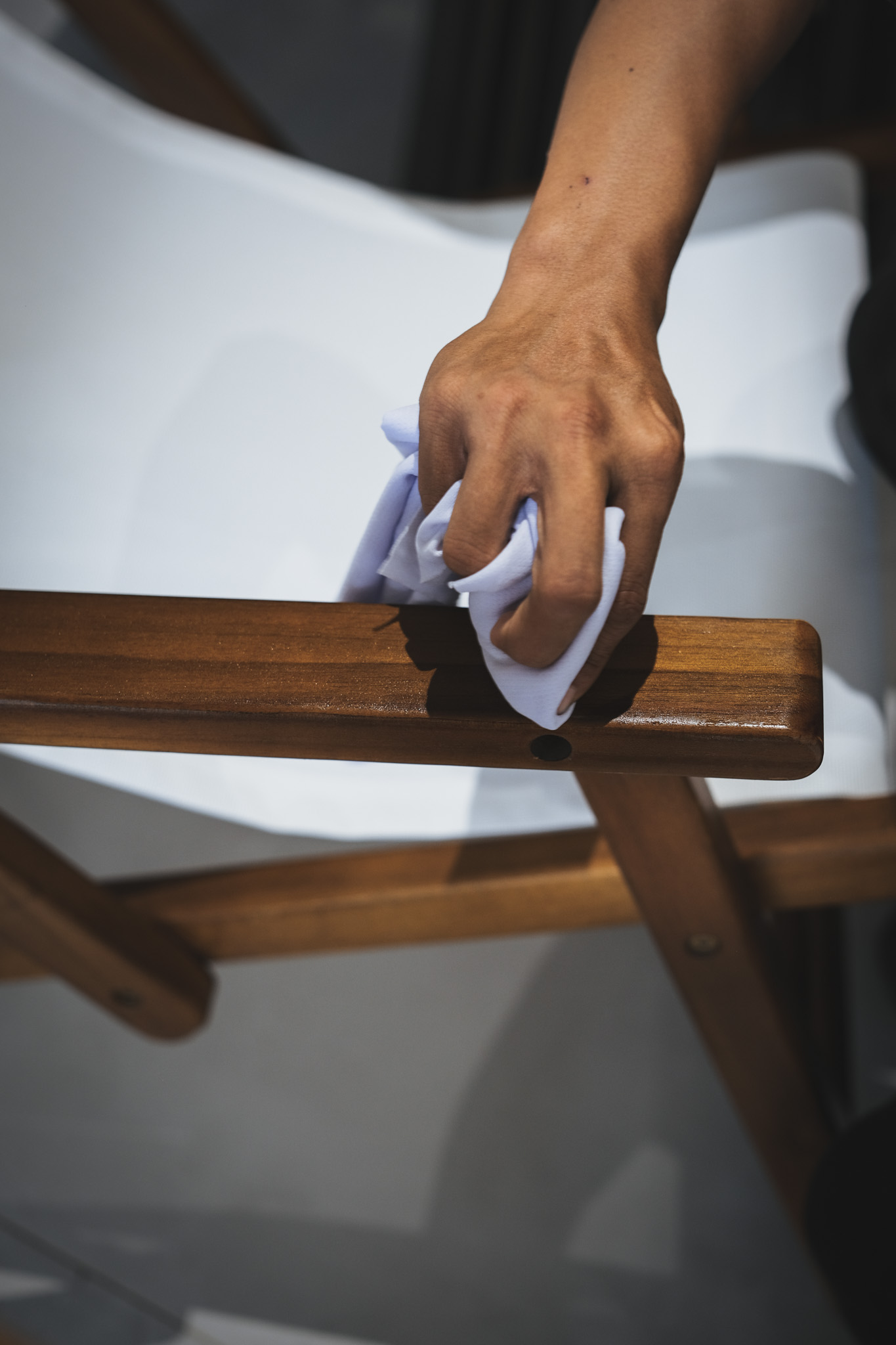
One of natural wood’s greatest superpowers is its capacity for renewal.
- Scratched surface? A light sanding and a coat of wood finish make it look brand new.
- Shifting design trends? You can easily sand, re-stain, or paint solid wood to adapt from modern minimalist to classic or rustic aesthetics.
Because solid wood holds its physical integrity, its resale market is exceptionally strong. While engineered furniture loses virtually all market value the moment you take it home, well-maintained hardwood pieces retain value and frequently sell as sought-after vintage items.
4. An Eco-Conscious, Healthy Home Choice
Investing in quality wood is as good for your indoor environment and the planet as it is for your wallet.
Did you know? Millions of tons of fast furniture end up in municipal landfills every year because composite woods are bound with synthetic glues that make them difficult to recycle.
Solid wood sourced from sustainably managed forests is a renewable, natural material. Furthermore, unlike particleboard or MDF, which can off-gas formaldehyde and volatile organic compounds (VOCs), solid timber keeps your indoor air quality clean and non-toxic.
The Verdict: Buy Once, Keep Forever
Solid wood furniture isn’t just a place to set your coffee or store your books—it is an heirloom in the making. When you choose real wood, you trade temporary convenience for enduring quality, sustainability, and timeless beauty.
Skip the disposable options on your next home project, and choose the pieces that will still be sitting proudly at the center of your room decades down the line.